Research and Set Your Budget
When venturing into the market for a used car, one of the pivotal steps is to define a budget before delving into the search. Establishing a clear budget can safeguard you from overextending financially and ensure you remain disciplined through the buying process. It’s imperative to consider several key financial aspects, including the total price of the car, financing options, associated insurance costs, and prospective maintenance expenses. All these factors collectively determine the true cost of a vehicle over time, beyond the initial purchase price.
Start by evaluating your finances to determine a feasible budget. Consider using financial tools and calculators available online to get a realistic picture of what you can afford. If you plan to finance the car through a loan, investigate interest rates and loans from various lenders to secure the best deal. Simultaneously, get insurance quotes for the cars you are interested in, as insurance premiums can vary significantly based on the make, model, and age of the car.
Moreover, future maintenance and repair costs should not be overlooked. Some car models have higher maintenance costs due to expensive parts or more frequent servicing requirements. Research reliable sources, such as automotive forums and car review sites, which often provide insights into common issues and average upkeep costs for different vehicles. Understanding these factors can help you avoid unexpected financial burdens down the line.
Conduct thorough research on various car models you are considering. Utilize online tools and resources to gather comprehensive information on market prices, reliability ratings, and consumer reviews. Dealer websites and automotive forums are invaluable resources for genuine feedback from other car owners, which can guide you towards a more informed decision.
By meticulously researching and establishing a budget, you ensure financial stability and steer clear of any future financial strain. This disciplined approach enhances your purchasing decision, allowing you to find a used car that not only meets your needs but also aligns with your financial plan.
Inspect and Test Drive the Vehicle
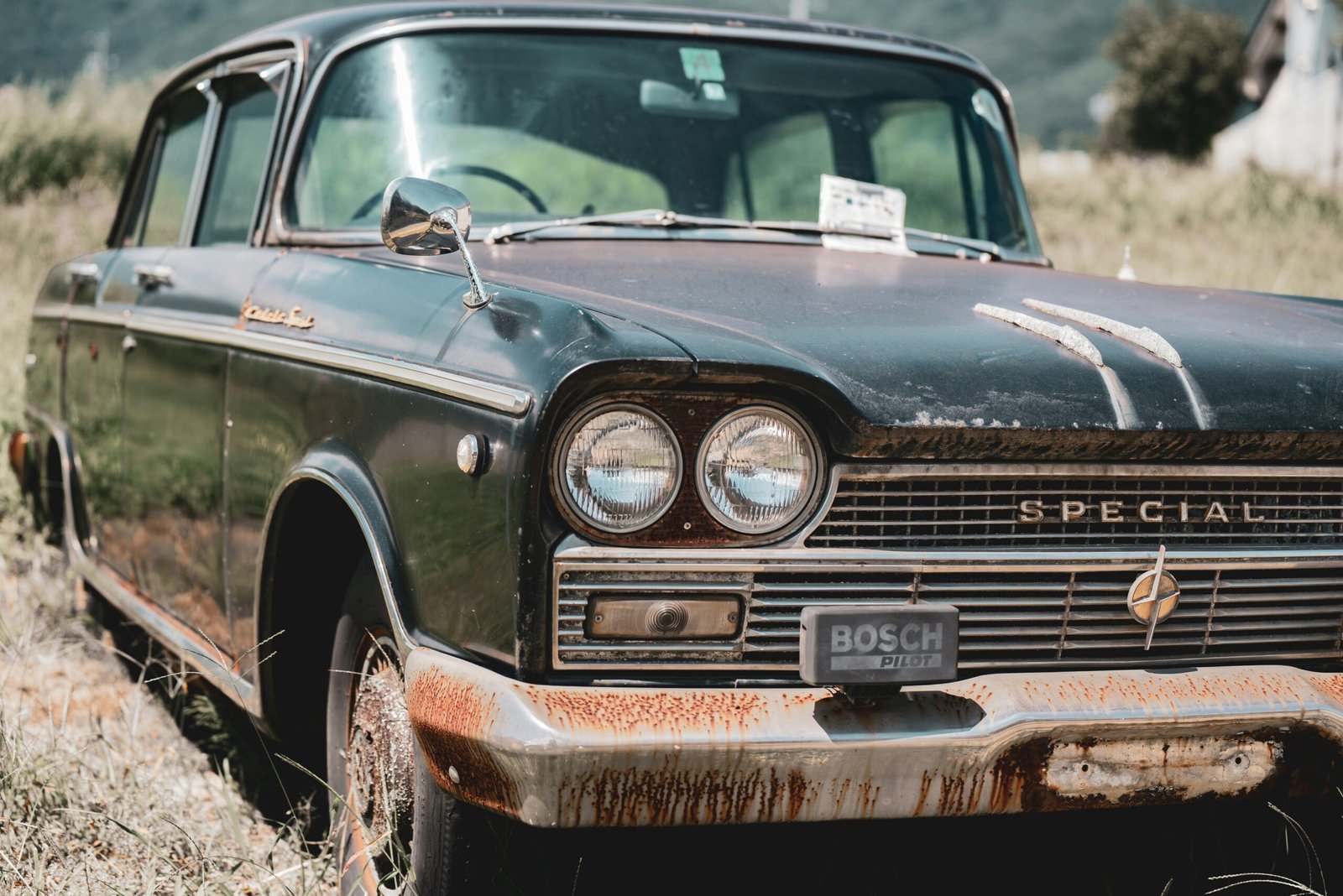
When purchasing a used car, a thorough inspection is imperative to ensure you are making a sound investment. Begin with a meticulous examination of the vehicle’s exterior. Pay close attention to paint condition, looking for signs of fading, chips, or inconsistencies that may indicate previous accidents or repairs. Check for rust, especially around the wheel wells, undercarriage, and door edges, as rust can compromise the car’s structural integrity. Additionally, be on the lookout for dents or scratches which might affect the vehicle’s appearance and value.
Next, inspect the car’s interior. Evaluate the condition of the upholstery, looking for tears, stains, or worn areas. Ensure that all dashboard electronics are functional, including the radio, air conditioning, and any warning lights. A well-maintained interior is often a good indicator of how well the car has been cared for in general.
Moving on to the engine, carefully examine for visible signs of leaks or corrosion. Check the oil level and its quality; clean oil indicates regular maintenance, whereas dirty oil might suggest neglect. Also, assess the battery terminals for corrosion and ensure all belts and hoses are in good condition, showing no signs of wear or cracking.
Don’t neglect the tires during your inspection. Verify that they have consistent tread depth and do not show signs of uneven wear, which might indicate alignment issues. It’s also crucial to inspect the spare tire and ensure it’s in usable condition.
After a visual inspection, it is critical to take the vehicle for a test drive. This allows you to assess its performance and handling. Pay attention to how the car accelerates, brakes, and steers. Listen closely for any unusual noises, such as knocking or squealing, which may signal underlying mechanical problems.
Lastly, it is wise to take the car to a trusted mechanic for a pre-purchase inspection. A professional can identify issues that may not be apparent to the untrained eye, potentially saving you from costly repairs down the road. This added step offers peace of mind, ensuring you are fully aware of the vehicle’s condition before finalizing your purchase.
Check the Vehicle History Report
Prior to purchasing a used car, obtaining a vehicle history report is an essential step that can offer invaluable insights into the car’s past. Understanding a vehicle’s history can reveal a plethora of information that directly impacts its future performance and reliability. These reports typically include details about accident history, previous ownership records, service history, and any potential odometer rollback incidents. This comprehensive background check is critical to making an informed decision.
Vehicle history reports can uncover whether the car has been in any significant accidents. The data outlines the extent of the damage and can help you gauge the potential for hidden structural issues. Additionally, these reports list the number of previous owners and the duration of their ownership. Frequent changes in ownership could be a red flag for underlying issues or dissatisfaction with the car.
Equally important is the service history, which sheds light on whether the vehicle has been well-maintained. Regular and appropriate servicing indicates that the car has been looked after and might be more reliable in the long term. On the contrary, a lack of maintenance records can be a warning sign of neglect. Another critical aspect is the odometer readings; discrepancies in these readings can alert you to possible odometer rollback, a fraudulent practice aimed at inflating a car’s value by showing reduced mileage.
Reputable services such as CARFAX and AutoCheck are reliable sources for obtaining these reports. They compile data from various governmental and non-governmental sources to provide a holistic picture of the vehicle’s history. To access these reports, you’ll typically need the vehicle’s Vehicle Identification Number (VIN). These services offer an easy and user-friendly way to acquire the information you need, often providing immediate access to the reports online.
Understanding the detailed history of a used car through a vehicle history report is a pivotal step in the buying process. It aids in assessing the car’s reliability, revealing potential red flags, and ultimately making a sound investment decision.
Negotiate a Fair Price
Negotiating the price of a used car is a crucial step in ensuring that you get a fair deal. There are several factors you can leverage to lower the price. For instance, consider minor damages, such as small dents or scratches, which may not affect the car’s performance but can influence its value. The car’s mileage and age are also important; generally, the higher the mileage and older the car, the more you can negotiate for a lower price.
Employing effective negotiation strategies is key. One powerful tactic is being prepared to walk away if the price does not meet your expectations. This shows the seller that you are serious about your limits and can often result in them making a better offer. Having a pre-approved loan can also give you an advantage, as it demonstrates financial readiness and solidifies your bargaining position. Additionally, using competing offers from other sellers can create an opportunity for the current seller to match or beat those offers, thereby securing a more favorable deal for you.
Closing the deal involves essential paperwork that must be thoroughly reviewed. The bill of sale should itemize the transaction details, including purchase price, vehicle identification number (VIN), and terms of the sale. Ensure the title transfer is correctly filled out and signed to officially make you the new owner of the vehicle. If there is a warranty, get all documentation related to it, and understand what it covers. Carefully reading all the documents before signing is crucial to avoid any unpleasant surprises later.
By focusing on these negotiation tips and ensuring all paperwork is in order, you can better navigate the car-buying process and secure a used vehicle at a fair price.